
Leadership is a key component of both the NMC and HCPC standards which means that all students have a role as future leaders in delivering the best possible care in partnership with service users. Many will go on to take up significant leadership positions across health and social care.
The Student Leadership Programme aimed to promote and develop leadership skills among the future nursing, midwifery, and AHP workforce by working with first- and second-year pre-registration students. Informed by a student survey and input from the project advisory group, the programme was co-designed with students to focus on areas not covered in existing pre-registration curricula. Over 450 students from across the UK had completed the programme, with their experiences shared through blogs and the #150Leaders podcasts.
The programme was co-funded by the Council of Deans of Health and the Burdett Trust for Nursing through a three-year grant to develop sector leaders, enabling all places to be fully subsidised at no cost to participating students.
The Student Leadership Programme structure
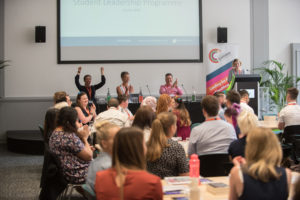
The programme officially began with a two-day residential event that included workshops, lectures, and seminars, designed to meet diverse learning needs through a blend of individual study, group projects, and opportunities to hear from leaders sharing their personal and professional journeys and leadership styles. Residential events were delivered face to face where possible, although some were held virtually in line with government guidelines. The programme also included a structured coaching scheme, providing access to visionary leaders within the health and care sector, with students required to attend regular coaching meetings through a combination of face-to-face and online interactions.
Throughout the programme, students engaged in an online community of practice, contributing meaningfully through discussions, webinars, podcasts, and social media, as well as publishing blogs or articles to share learning with others. To apply leadership skills in practice, students undertook a project aligned with key themes such as interprofessional learning, student wellbeing, inclusive recruitment, student networks, professional promotion, or research. The programme featured a mid-way online conference in December and concluded with a final online conference, alongside the submission of a 500–1,000 word reflective report to the Council of Deans of Health on the overall experience and leadership journey.